At AURATEK Technologies, we help businesses modernise their applications and infrastructure using cloud-native principles—so technology can adapt to the business instead of becoming a limitation.
From cloud architecture and application modernisation to containers, DevOps and performance optimisation, we help you build a cloud environment designed for the way your business needs to operate.
Cloud Strategy Without The Complexity
Every business has different workloads, technical constraints and growth plans.
That's why we don't begin with a technology stack.
We begin by understanding:
What are you running today?
Where is the infrastructure slowing you down?
What needs to scale?
What needs better security?
And where is your cloud spend actually going?
From there, we design a practical roadmap instead of pushing unnecessary technology.
Our Cloud Native Consulting Services
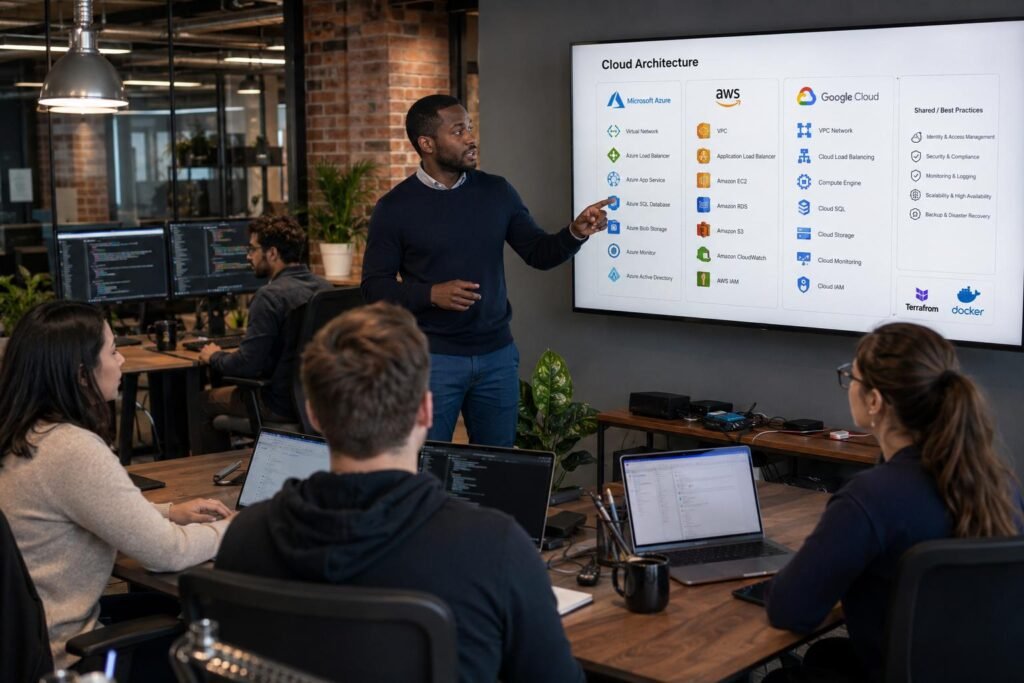
Cloud Architecture & Strategy
A strong cloud environment starts with the right architecture.
We assess your existing infrastructure, applications and business requirements to design a cloud architecture that balances performance, reliability, security and cost.
Our consulting can cover:
- Cloud architecture planning
- Infrastructure assessment
- Workload analysis
- Cloud migration strategy
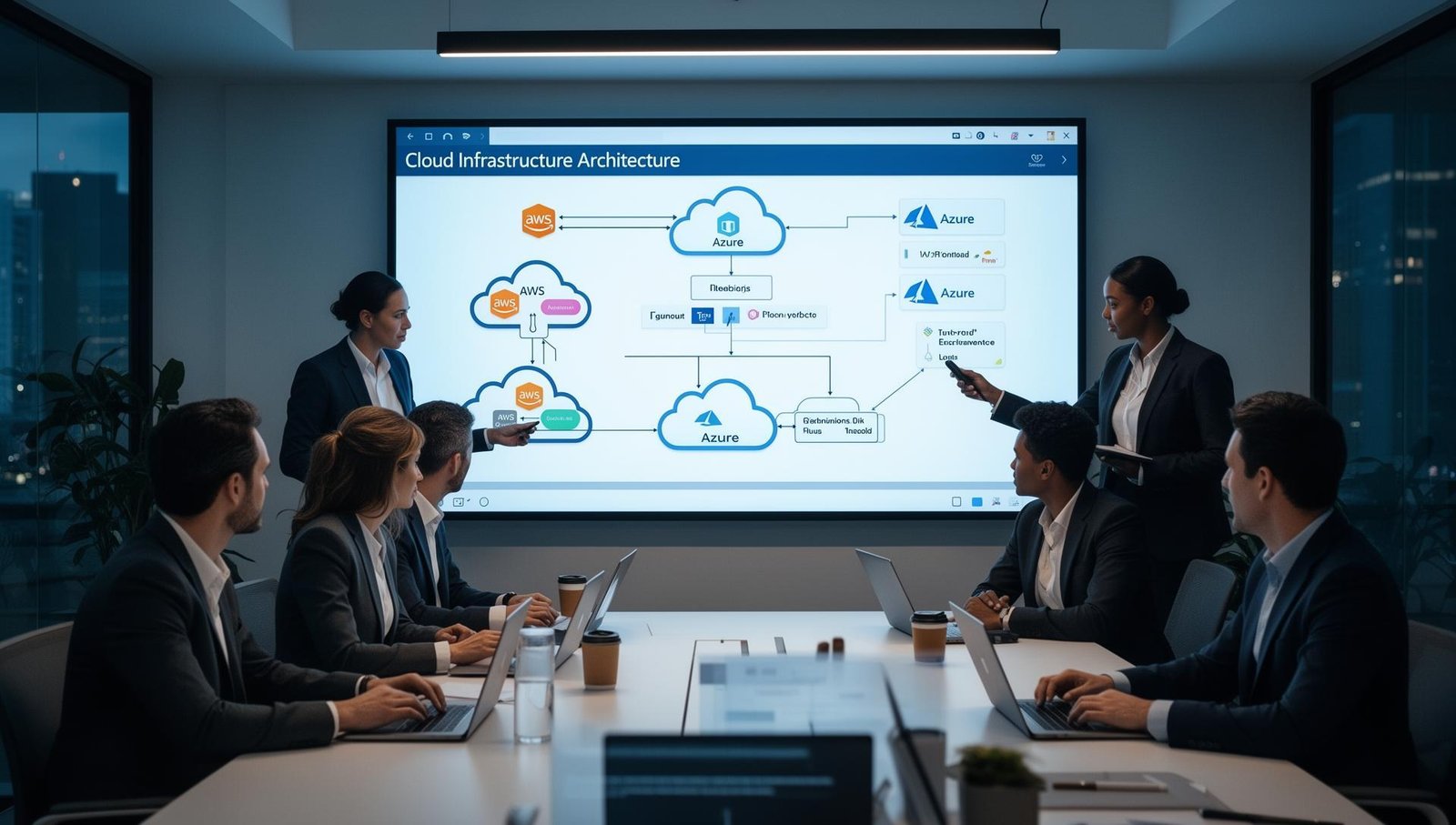
- Hybrid and multi-cloud planning
- High-availability architecture
- Disaster recovery planning
- Cloud cost considerations
The objective is simple: build an architecture that supports the business today and doesn't become a problem tomorrow.
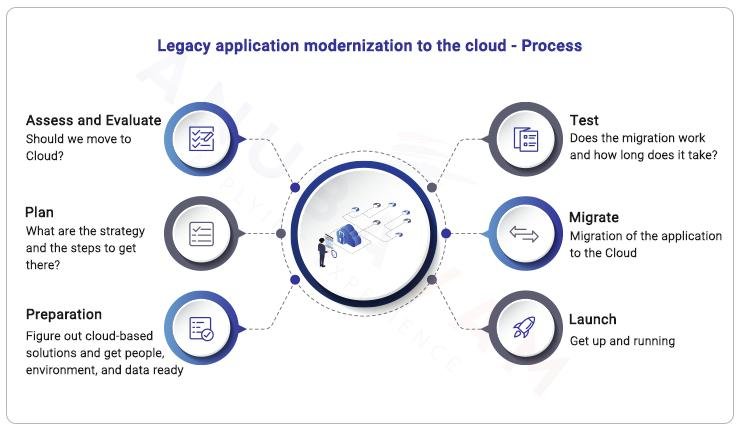
Application Modernisation
Moving an old application to a cloud server doesn't automatically make it cloud-native.
We help organisations identify applications that can be modernised through better architecture, containerisation, service separation and improved deployment processes.
Depending on the application, this can include:
- Legacy application assessment
- Cloud migration planning
- Application refactoring
- Containerisation
- API-based architecture
- Microservices planning
- Database modernisation
- Performance optimisation
We modernise where it creates business value—not simply because a technology is new.
Containers & Kubernetes
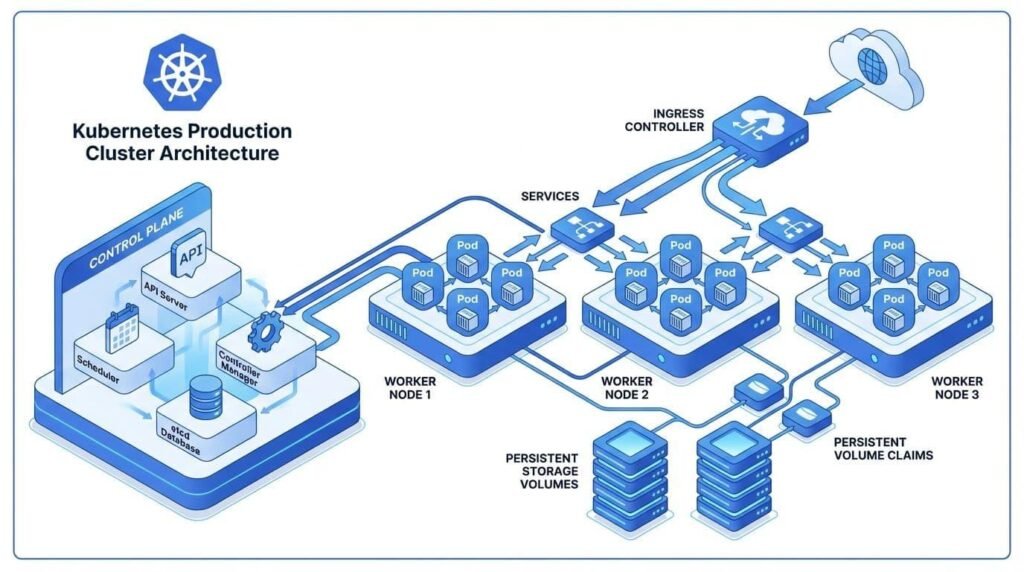
Containers make applications easier to package, deploy and scale. But running containers reliably at production scale requires the right architecture and operational discipline.
AURATEK helps businesses adopt container-based environments with a focus on repeatability, security and operational simplicity.
Our work can include:
- Docker-based application environments
- Kubernetes architecture
- Cluster planning
- Deployment strategies
- Service configuration
- Container security
- Scaling strategies
- Production environment planning
The goal isn't to introduce Kubernetes everywhere.
The goal is to know where it actually makes sense.
DevOps & CI/CD
Development and infrastructure should not work as disconnected teams.
We help create automated delivery workflows that allow development teams to build, test and deploy applications more consistently.
Our DevOps consulting can include:
- CI/CD pipeline design
- Automated testing workflows
- Infrastructure automation
- Deployment automation
- Environment management
- Version control workflows
- Release strategies
- Monitoring and operational practices
Fewer manual steps.
Fewer deployment surprises.
More predictable releases.
Cloud Security & Reliability
Cloud adoption introduces new opportunities—and new responsibilities.
We help businesses design environments where security and reliability are considered from the architecture stage rather than added after deployment.
Our approach can cover:
Identity & Access → Network Security → Secrets → Backups → Monitoring → Recovery
We focus on practical controls that fit the infrastructure and the organisation instead of adding unnecessary complexity.
Cloud Performance & Cost Optimisation
Cloud infrastructure can scale quickly.
So can the bill.
We analyse infrastructure usage, application behaviour and resource allocation to identify opportunities to improve efficiency without compromising performance.
We look at:
- Resource utilisation
- Infrastructure sizing
- Application performance
- Scaling policies
- Storage usage
- Compute requirements
- Environment efficiency
- Unnecessary infrastructure spend
Because cloud optimisation is not simply about spending less.
It is about getting more business value from every infrastructure decision.
 Scalability and Flexibility